The Complete Guide to Bird's Nest: Benefits, Grading & Preparation
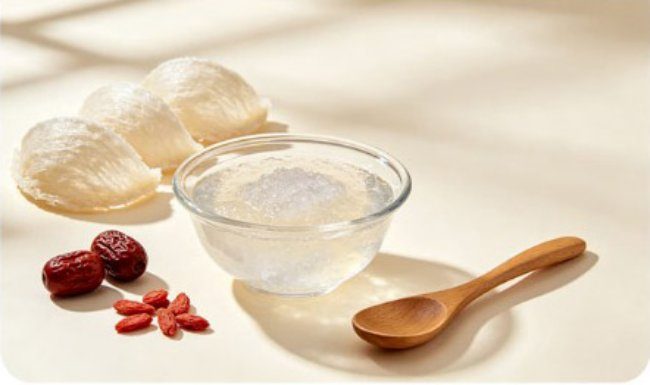
Few foods occupy the same intersection of luxury, tradition, and evidence-based nutrition as edible bird’s nest. Consumed in China for over 400 years, it is priced gram-for-gram above many precious metals, and has earned both devotion and scepticism. This guide cuts through both — explaining what bird’s nest actually is, what the science says, and how to choose and use it correctly.
What Exactly is Bird’s Nest?
Edible bird’s nest is not made from twigs or plant matter — it is crafted entirely from the solidified saliva of swiftlets (Aerodramus fuciphagus), a small cave-dwelling bird found across Southeast Asia. Over 35 days, the swiftlet secretes this string of saliva that hardens on contact with air, forming a cup-shaped nest on cave walls. It is one of the most labour-intensive natural foods on earth, which explains its price.
The Science Behind
the Health Claims
Bird's nest is rich in glycoprotein, sialic acid (N-acetylneuraminic acid), and epidermal growth factor (EGF). Sialic acid, in particular, plays a functional role in neural development and immune function — it supports the transfer of nutrients across the blood-brain barrier and has been linked to improved cognitive performance in multiple clinical studies. EGF promotes cellular proliferation and wound healing, and its presence in bird's nest has been validated by HPLC analysis.
Lung Health &
Respiratory Support
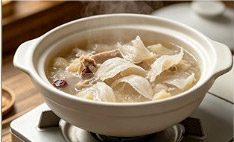
In TCM, bird's nest is classified as a lung tonic that nourishes yin, clears heat and relieves dryness. Modern respiratory research supports this: sialic acid has been shown to inhibit the adhesion of influenza viruses to epithelial cells, reducing infection risk. Regular consumption is particularly recommended during seasonal transitions when the lungs are most vulnerable to dryness and pathogenic invasion.

Skin Regeneration
& Anti-Ageing
The EGF content of bird's nest stimulates fibroblast activity — the cells responsible for producing collagen and elastin. A 2021 study in Nutrients found that women who consumed bird's nest extract for 8 weeks showed measurable increases in skin elasticity and hydration versus a control group. The glycoprotein fraction also inhibits matrix metalloproteinases (MMPs), the enzymes that break down collagen with age.